

Schneider Electric is a global energy technology leader, driving sustainability by electrifying, automating, and digitalizing industries, businesses, and homes. With 160,000 employees and roughly 40 billion euros in annual revenue, the company runs an ambitious AI program: an internal AI Hub of 350 experts who have deployed 60+ agents to optimize energy consumption, extend asset lifecycles, and accelerate developer productivity. 施耐德电气是全球能源管理和自动化领域的数字化转型专家,通过对工业、商业和住宅进行电气化、自动化和数字化改造,推动可持续发展。公司拥有 16 万名员工,年营收约 400 亿欧元,并开展了一项雄心勃勃的 AI 计划:内部 AI 中心拥有 350 名专家,已部署了 60 多个智能体,旨在优化能源消耗、延长资产寿命并提升开发人员生产力。
Shipping AI at Scale For Critical Infrastructure为关键基础设施大规模交付 AI
Schneider's broad AI program spans three categories: 施耐德电气的广泛 AI 计划涵盖三大类别:
- Embedding intelligence directly into products to cut energy consumption (such as thermal learning in room controllers).将智能直接嵌入产品以降低能耗(例如房间控制器中的热学习功能)。
- Using AI to forecast demand and production so customers can shift electricity usage toward cheaper, greener times of day.利用 AI 预测需求和生产,帮助客户将电力使用转移到价格更低、更环保的时段。
- Deploying agentic copilots that reduce operational friction, like managing a more complex grid, customer success, or querying a carbon emissions software system. 部署智能体副驾驶(Agentic Copilots)以减少运营摩擦,例如管理更复杂的电网、提升客户成功体验或查询碳排放软件系统。
Agents are embedded across these objectives, operating in critical infrastructure with strict data residency requirements and cybersecurity controls. Schneider needed a common agent platform that could help teams build quickly while preserving control over data, deployment, and quality.智能体嵌入在这些目标中,在具有严格数据驻留要求和网络安全控制的关键基础设施中运行。施耐德电气需要一个通用的智能体平台,既能帮助团队快速构建,又能保持对数据、部署和质量的控制。
"The challenge of accuracy, the challenge of quality of answers, the challenge of guardrailing, are very real. When you deploy a solution at scale, you need tooling like LangSmith. Everything linked with trustability and understanding what happens is extremely valuable for us."
– Philippe Rambach, CAIO at Schneider Electric“准确性、答案质量和护栏(guardrailing)方面的挑战是非常现实的。当你大规模部署解决方案时,你需要像 LangSmith 这样的工具。所有与可信度和理解运行情况相关的内容对我们来说都极具价值。”——施耐德电气首席 AI 官 Philippe Rambach
Schneider’s AI Platform team sits within their AI Hub and provides the shared infrastructure that enable AI squads to reliably deliver across their vast technology landscape (multi-cloud, from cloud to the edge, and all types of AI).施耐德电气的 AI 平台团队隶属于其 AI 中心,提供共享基础设施,使 AI 小组能够在广泛的技术领域(多云、从云端到边缘,以及各类 AI)中可靠地交付成果。
The following guest blog shares the story of how they’ve built LLMOps capabilities around LangSmith and the broader LangChain ecosystem to:以下客座博客分享了他们如何围绕 LangSmith 和更广泛的 LangChain 生态系统构建 LLMOps 能力,以实现:
- Deploy and continuously improve the accuracy and quality of an AI Assistant serving 140,000 employees in 100+ countries.部署并持续提升一个服务于 100 多个国家/地区 14 万名员工的 AI 助手的准确性和质量。
- Co-build an LLMOps maturity framework to deploy their Customer Success Manager Copilot.共同构建 LLMOps 成熟度框架,以部署其客户成功经理(CSM)副驾驶。
- Accelerate their quotation workflow with LangSmith Deployment's task-queue model 利用 LangSmith Deployment 的任务队列模型加速报价工作流。
Authors:
Yoann Bersihand, VP, AI Platform
Nicolas Gauthier, Product Owner, Agentic AI Engineering
Amaury Gelin, AI Engineer, Agentic AI Engineering 作者:Yoann Bersihand(AI 平台副总裁)、Nicolas Gauthier(智能体 AI 工程产品负责人)、Amaury Gelin(智能体 AI 工程师)
The challenge: translating classical MLops to LLM systems挑战:将传统 MLOps 转化为 LLM 系统
To operate at scale with confidence, a dedicated LLMOps discipline is essential. Without it, our teams would be flying blind. Our traditional MLOps approaches didn’t translate to LLM-based systems, risking: 为了自信地进行大规模运营,专门的 LLMOps 准则至关重要。没有它,我们的团队将如同盲人摸象。我们传统的 MLOps 方法无法直接应用于基于 LLM 的系统,存在以下风险:
- Limited ability to debug agent behavior beyond raw application logs.除原始应用程序日志外,调试智能体行为的能力有限。
- Lack of precise measurement for prompt or model changes.缺乏对提示词(Prompt)或模型变更的精确测量。
- Difficulty validating production readiness for GenAI and agentic systems.难以验证生成式 AI 和智能体系统的生产就绪性。
Architecture: The Three Pillars架构:三大支柱
We organized our AI Platform LLMOps capabilities around three pillars that mirror the agentic product lifecycle: 1) observability, 2) evaluation, and 3) deployment.我们将 AI 平台的 LLMOps 能力围绕三个支柱进行组织,这些支柱反映了智能体产品的生命周期:1)可观测性,2)评估,3)部署。
1. Observability: self-hosted LangSmith, one workspace per product1. 可观测性:自托管 LangSmith,每个产品一个工作区
Observability gets you to "we can see what's happening." 可观测性能让你达到“我们能看到正在发生什么”的程度。
We deploy LangSmith in a self-hosted configuration on AWS EKS, integrated behind our corporate security perimeter. This approach ensures strict data privacy and compliance with our internal policies on third-party data egress. 我们将 LangSmith 以自托管配置部署在 AWS EKS 上,并集成在企业安全边界内。这种方法确保了严格的数据隐私,并符合我们关于第三方数据流出的内部政策。
The key design decision on the observability side was how we structured our workspace instantiation model: one workspace per AI product, spanning all environments (dev, QA, pre-prod, prod). An alternative approach—one workspace per environment—breaks the loop we want to enable: promoting traces from production back into dev datasets for offline evaluation.可观测性方面的关键设计决策在于我们如何构建工作区实例化模型:每个 AI 产品一个工作区,涵盖所有环境(开发、QA、预生产、生产)。另一种方法——每个环境一个工作区——会破坏我们想要启用的闭环:将生产环境的追踪数据(traces)推送到开发数据集以进行离线评估。
By co-locating development and production within the same workspace, our Subject Matter Experts (SMEs) can annotate production traces and push straight to the dataset. These examples can then be replayed against new versions of the agent to validate improvements.通过将开发和生产环境置于同一个工作区,我们的领域专家(SME)可以标注生产环境的追踪数据并直接推送到数据集。然后,这些示例可以在智能体的新版本上进行回放,以验证改进效果。
In practice, this means datasets, annotations, and experiments stay closely connected to the production traces they come from—making it easier to learn from real usage and continuously improve system performance.在实践中,这意味着数据集、标注和实验与它们所源自的生产追踪数据保持紧密联系——从而更容易从实际使用中学习并持续提升系统性能。
Production example: "One Jo"生产示例:“One Jo”
Our internal AI Assistant, One Jo, serves 160,000 Schneider Electric employees and is deployed in 107 countries. Every conversation is traced through LangSmith, while maintaining strict data privacy standards. Production traces are systematically reused by the team to feed regression datasets, enabling the team to validate each new model or prompt iteration against real-world usage. These same traces also provide immediate visibility into drift, allowing the team to quickly detect and address performance changes over time.我们的内部 AI 助手 One Jo 服务于 16 万名施耐德电气员工,部署在 107 个国家/地区。每一次对话都在 LangSmith 中进行追踪,同时保持严格的数据隐私标准。团队系统性地重用生产追踪数据来填充回归数据集,使团队能够针对实际使用情况验证每一个新模型或提示词迭代。这些追踪数据还提供了对漂移(drift)的即时可见性,使团队能够快速检测并解决性能随时间发生的变化。
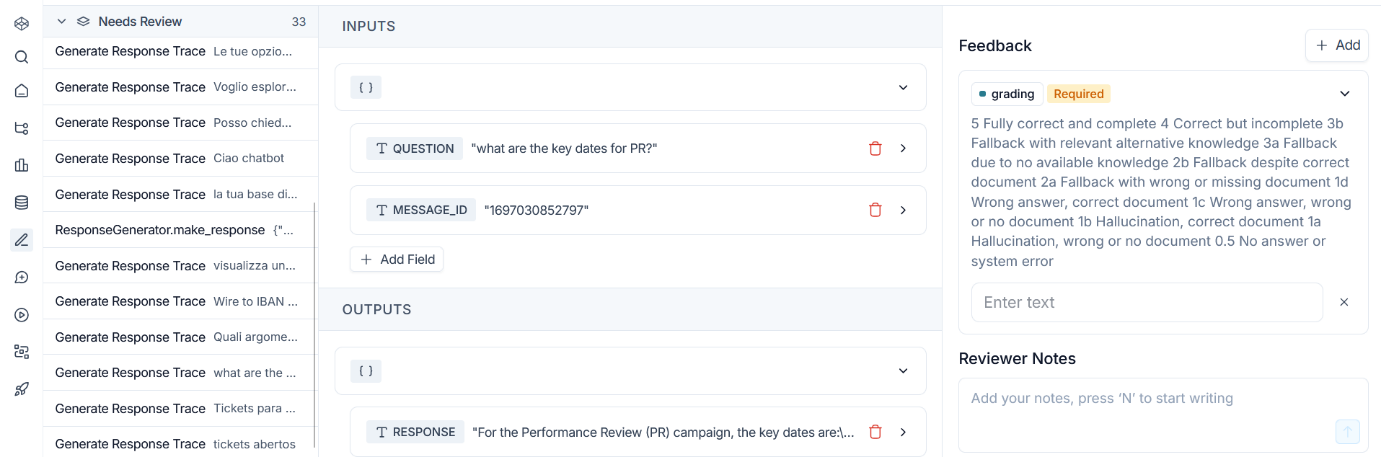
Figure 1 - Production example: "One Jo" annotation queue图 1 - 生产示例:“One Jo”标注队列
2. Evaluation: offline, online, and a maturity framework2. 评估:离线、在线和成熟度框架
Whilst observability got us to "we can see what's happening." Evaluation got us to "we can decide whether to ship." We invested heavily here, on three fronts.如果说可观测性让我们达到了“我们能看到正在发生什么”,那么评估则让我们达到了“我们可以决定是否发布”。我们在三个方面进行了大量投入。
First, an offline evaluation accelerator. We ship Agentic RAG GitHub templates on Azure and AWS along with a lightweight evaluation CLI built on top of the LangSmith SDK.首先,离线评估加速器。我们在 Azure 和 AWS 上发布了智能体 RAG GitHub 模板,以及一个基于 LangSmith SDK 构建的轻量级评估 CLI。
The goal: standardize how every AI squad runs experiments—same dataset conventions, same evaluator interfaces (built on openevals patterns). 目标:标准化每个 AI 小组运行实验的方式——统一的数据集约定、统一的评估器接口(基于 openevals 模式构建)。
The result: new teams are empowered to move quickly from initial setup to a meaningful offline evaluation suite. 结果:新团队能够快速从初始设置过渡到有意义的离线评估套件。

Second, an LLMOps maturity framework. With over 60 AI products, adoption of tracing and evaluation takes work. We codified an internal LLMOps maturity model to track key capabilities: Is this product instrumented? Does it have an offline evaluation suite? Are there online evaluators running in production? Is user feedback flowing back and reused?其次,LLMOps 成熟度框架。拥有 60 多个 AI 产品,采用追踪和评估需要付出努力。我们编写了一个内部 LLMOps 成熟度模型来跟踪关键能力:该产品是否已完成仪表化?是否有离线评估套件?生产环境中是否运行着在线评估器?用户反馈是否在回流并被重用?
Through this we built automated reporting against the LangSmith API. A scheduled GitHub workflow generates a consolidated view of all AI products against LangSmith capabilities, providing continuous visibility into adoption and progress.通过这种方式,我们构建了针对 LangSmith API 的自动化报告。预定的 GitHub 工作流会生成所有 AI 产品在 LangSmith 能力方面的综合视图,从而持续监控采用情况和进展。
The LLMOps maturity level is integrated into our AI product lifecycle and used as part of gate reviews that move a use case from exploration → incubation → industrialization → operations.LLMOps 成熟度级别已集成到我们的 AI 产品生命周期中,并作为门禁评审(gate reviews)的一部分,用于推动用例从探索 → 孵化 → 工业化 → 运营。
Third, SME involvement. Even with the right tooling, the hardest part of evaluation remains bringing domain expertise into the loop. We mapped our internal SME role to a custom LangSmith role that grants access to annotation queues and datasets, without exposing the developer-level surface area. Today, about 20% of our AI products include at least one active annotation queue with SME participation. This allows domain experts to directly review and annotate real examples, contributing to evaluation without needing engineering skills. 第三,领域专家(SME)的参与。即使拥有合适的工具,评估中最困难的部分仍然是将领域专业知识引入循环。我们将内部 SME 角色映射到自定义的 LangSmith 角色,授予其访问标注队列和数据集的权限,而无需暴露开发者层面的复杂性。如今,约 20% 的 AI 产品至少包含一个有 SME 参与的活跃标注队列。这使得领域专家能够直接审查和标注真实示例,在无需工程技能的情况下为评估做出贡献。
The LLMOps loop:LLMOps 循环:
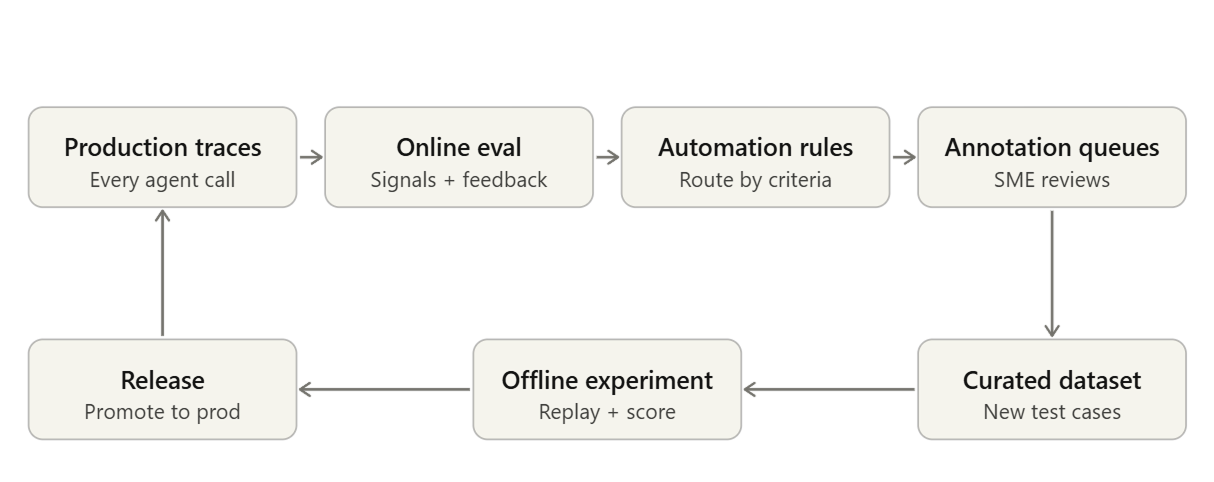
Figure 2 Simple LLMOPs Loop图 2 简单的 LLMOps 循环
Production example: Customer Success Management (CSM) Copilot生产示例:客户成功管理(CSM)副驾驶
Our Services business division at Schneider Electric provides proactive asset performance management for data centers and buildings through AI-powered condition-based maintenance, 24/7 remote monitoring, and expert support.施耐德电气的服务业务部门通过基于 AI 的状态监测维护、全天候远程监控和专家支持,为数据中心和楼宇提供主动的资产性能管理。
CSM Copilot is one of several Agentic AI solutions supporting condition-based maintenance. It empowers 250+ Customer Success Managers to generate faster insights for any account or contract.CSM 副驾驶是支持状态监测维护的多种智能体 AI 解决方案之一。它使 250 多名客户成功经理能够为任何账户或合同更快地生成洞察。
CSM Copilot was designed with SMEs leveraging LangSmith from day one. It gave the SMEs the opportunity to directly impact quality of the co-built product—from continuously reviewing outputs, providing annotations, and shaping system behavior during development. As a result, the product reached a high level of quality and CSM adoption at first deployment.CSM 副驾驶从第一天起就由 SME 利用 LangSmith 进行设计。这使 SME 有机会直接影响共建产品的质量——从持续审查输出、提供标注,到在开发过程中塑造系统行为。因此,该产品在首次部署时就达到了高质量水平并获得了 CSM 的采用。
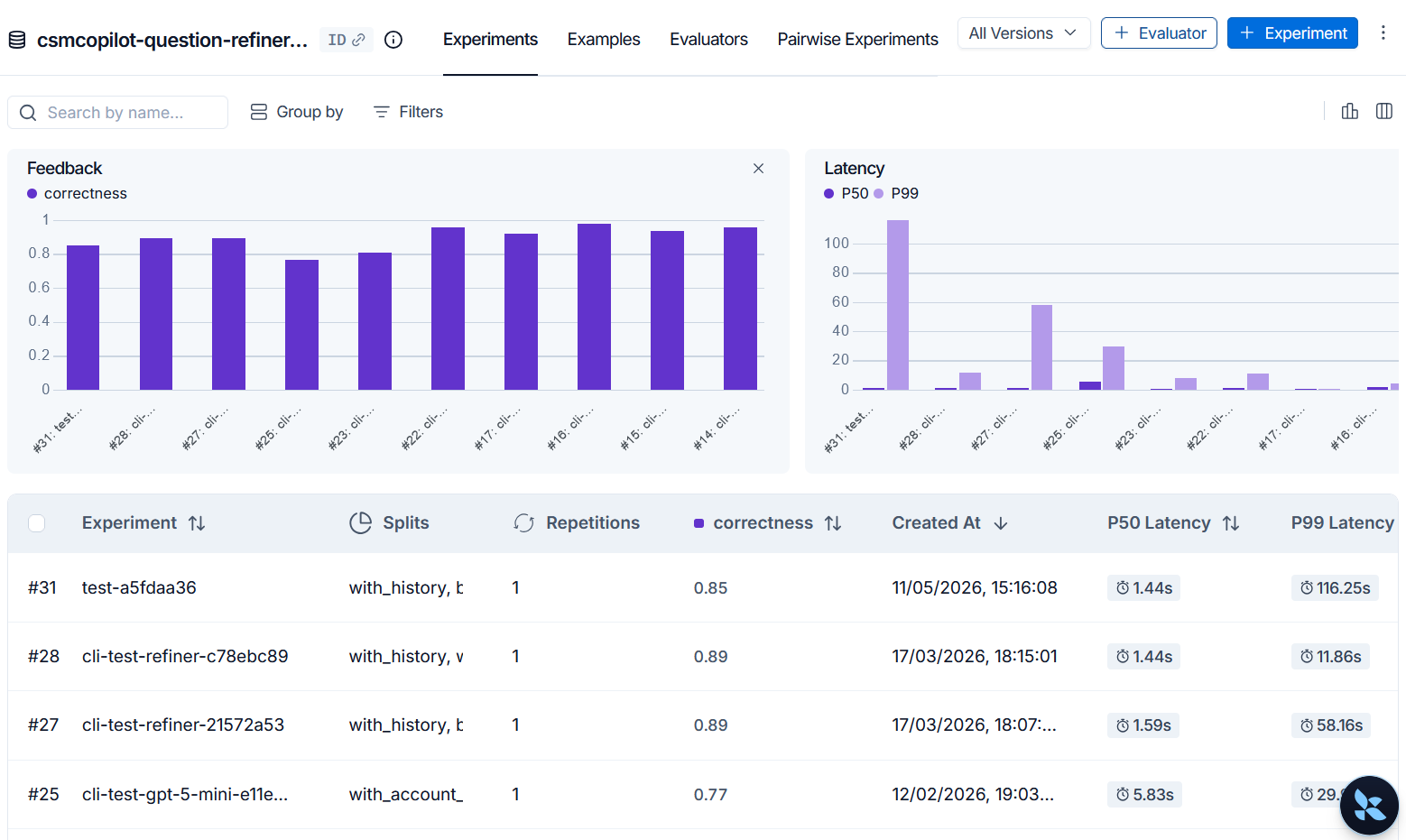
Figure 3 - Production example: Customer Success Manager chatbot图 3 - 生产示例:客户成功经理聊天机器人
3. Deployment: LangSmith Deployment, one runtime per product3. 部署:LangSmith Deployment,每个产品一个运行时
For agents that require streaming, long-term memory, human-in-the-loop interactions, or background processing, we standardized on the LangSmith Deployment reference architecture: Agent Server with Postgres and Redis, in our AWS and Azure landing zones.对于需要流式传输、长期记忆、人机协同交互或后台处理的智能体,我们标准化了 LangSmith Deployment 参考架构:在我们的 AWS 和 Azure 着陆区中部署带有 Postgres 和 Redis 的智能体服务器。
From the start, we chose not to run a centralized agent runtime. Instead, each AI product runs on its own dedicated stack. 从一开始,我们就选择不运行集中的智能体运行时。相反,每个 AI 产品都在其专属的堆栈上运行。
This decision was driven by two key principles:这一决定源于两个关键原则:
- "You build it, you run it." Our AI Platform philosophy is to provide our AI squads with strong foundations and paved paths, not turnkey runtimes. By owning their runtime, AI squads retain full control over latency, cost, and incident response.“谁构建,谁运行。”我们的 AI 平台理念是为 AI 小组提供坚实的基础和铺设好的路径,而不是交钥匙式的运行时。通过拥有自己的运行时,AI 小组保留了对延迟、成本和事件响应的完全控制权。
- No single point of failure. A centralized agent runtime would introduce systemic risk. A faulty deployment or resource issue could impact every agent at once. With per-product runtimes, any issue remains isolated to a single use case, keeping the overall platform resilient.没有单点故障。集中的智能体运行时会引入系统性风险。错误的部署或资源问题可能会同时影响所有智能体。通过每个产品独立的运行时,任何问题都保持在单个用例的范围内,从而保持整个平台的弹性。
This approach comes with trade-offs though—more infrastructure to manage, more upgrades to coordinate—and it's where we are investing next (see what’s next below).然而,这种方法也有权衡——需要管理更多的基础设施,需要协调更多的升级——这也是我们下一步的投资方向(见下文“下一步计划”)。
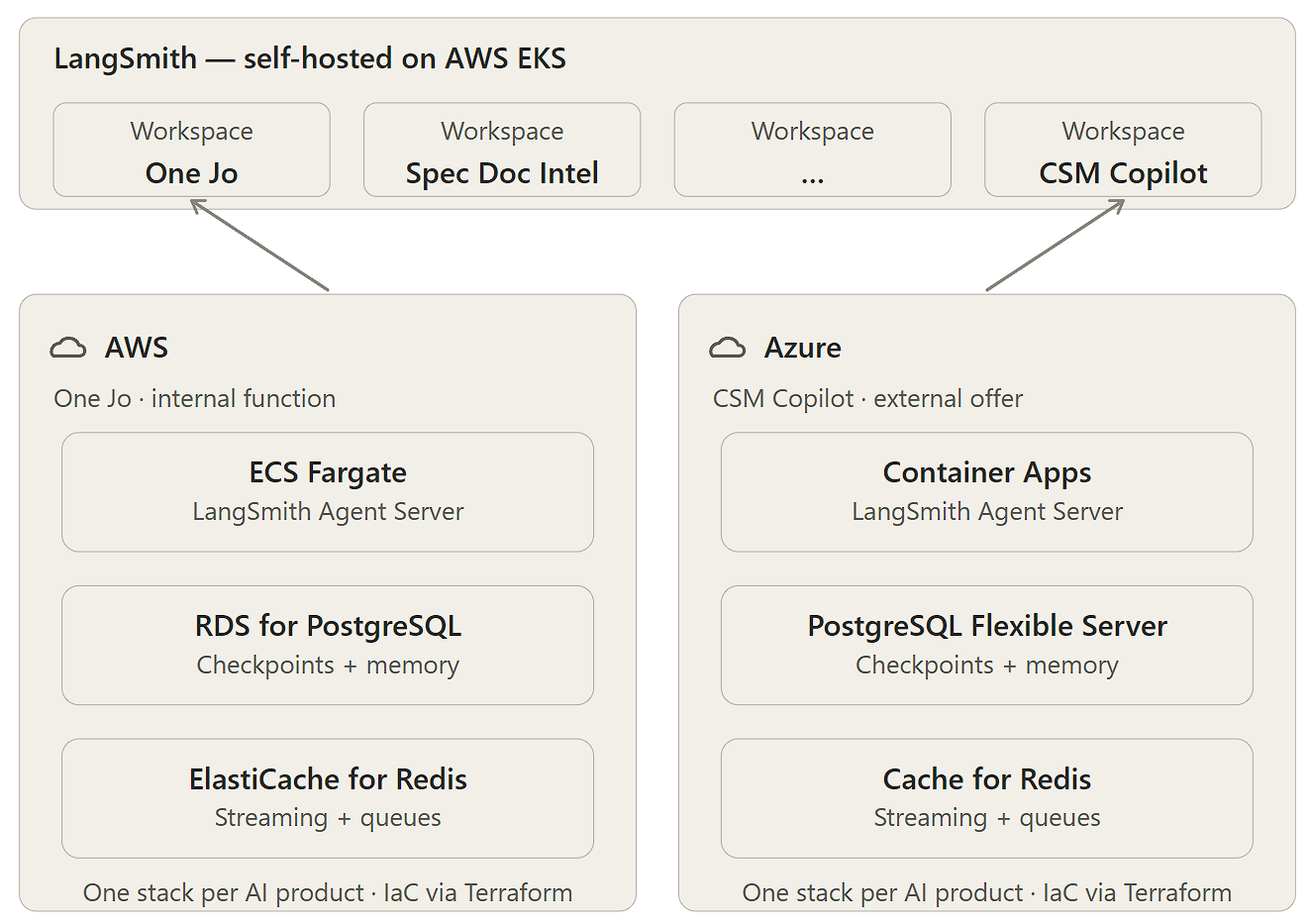
Figure 4 - LangSmith Agent Server infrastructure (per UC and self-hosted)图 4 - LangSmith 智能体服务器基础设施(按用例和自托管)
Every product starts with the same langgraph.json template, designed to be cloud-agnostic across AWS and Azure. The version below includes the typical requirements of a large enterprise environment: an allow-listed base image, integration with the corporate CA bundle, and a custom feedback HTTP route exposed alongside the agent graph.每个产品都从相同的 langgraph.json 模板开始,该模板旨在跨 AWS 和 Azure 实现云无关。以下版本包含了大型企业环境的典型需求:允许列表的基础镜像、与企业 CA 捆绑包的集成,以及与智能体图一起暴露的自定义反馈 HTTP 路由。
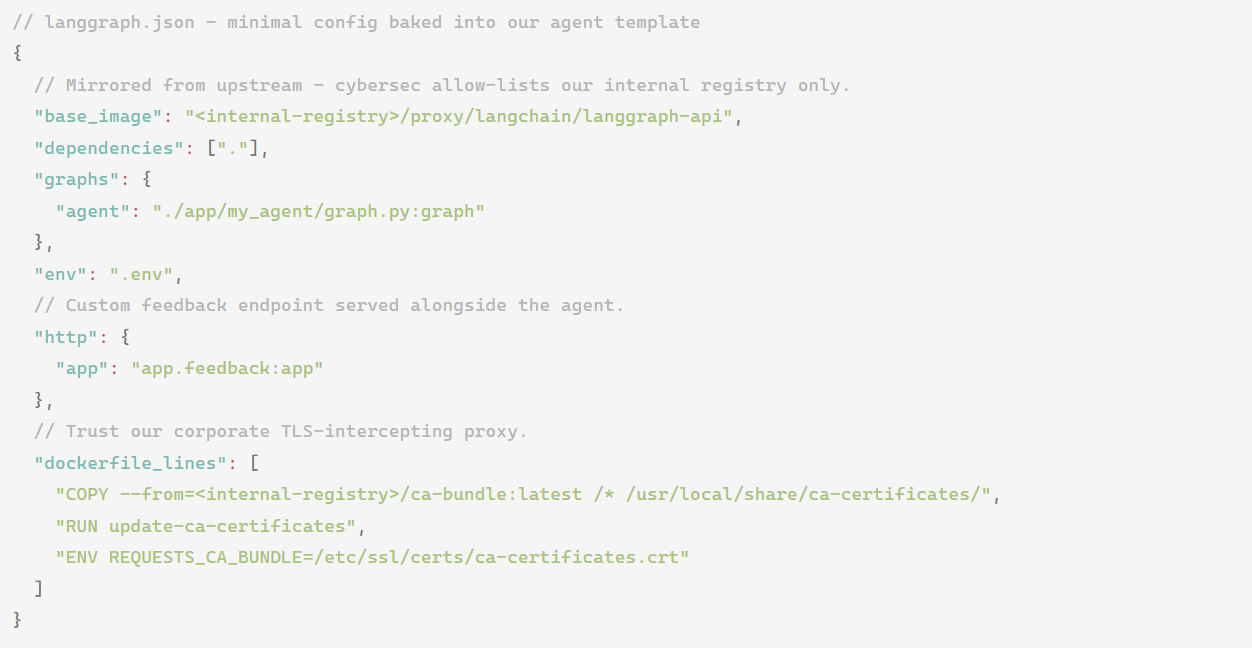
Figure 5 – Default LangSmith Agent configuration 图 5 – 默认 LangSmith 智能体配置
Production example: Digital Energy - Specification Document Intelligence生产示例:数字能源 - 规范文档智能
Within our Digital Energy division, we transform building operations across commercial, industrial, and public infrastructure. As part of this effort, we developed a document-processing agent that analyzes customer quote requests (including specifications, building plans, and other PDF documents) and automatically adds contextual annotations. Quotation workflows now take minutes versus hours (or even days) previously. 在我们的数字能源部门,我们对商业、工业和公共基础设施的楼宇运营进行转型。作为该工作的一部分,我们开发了一个文档处理智能体,用于分析客户的报价请求(包括规范、建筑平面图和其他 PDF 文档)并自动添加上下文标注。报价工作流现在只需几分钟,而过去则需要几小时(甚至几天)。
The average completion time for the agent is just over 15 minutes. This type of long-running, background processing is exactly what LangSmith Deployment’s task queue model is designed for, enabling reliable execution without impacting real-time system performance.该智能体的平均完成时间仅为 15 分钟多一点。这种类型的长时间运行的后台处理正是 LangSmith Deployment 的任务队列模型所设计的目的,实现了可靠的执行,且不会影响实时系统性能。
Results成果
Through our partnership with LangChain, we keep advancing energy technology with:通过与 LangChain 的合作,我们持续推动能源技术进步:
- Over 60 AI products in active development or production built on the LangChain ecosystem,基于 LangChain 生态系统构建了 60 多个处于活跃开发或生产阶段的 AI 产品;
- Approximately 200 active LangSmith users across engineering and SME communities, putting our domain-know and expertise in Energy Management and Industrial Automation at the core of our AI products. 在工程和 SME 社区中拥有约 200 名活跃的 LangSmith 用户,将我们在能源管理和工业自动化方面的领域知识和专长置于 AI 产品核心。
What building LLMOps at scale has taught us大规模构建 LLMOps 给我们的启示
Our initial bet on LLMOps paid off. Without trace-level observability and a real offline-evaluation discipline, none of our agentic products would have reached production-readiness. Teams that resisted instrumentation early on are the ones who later got stuck debugging non-deterministic regressions in their heads. 我们最初对 LLMOps 的投入得到了回报。如果没有追踪层面的可观测性和真正的离线评估准则,我们的智能体产品都不可能达到生产就绪状态。那些早期抵制仪表化的团队,后来都在忙于调试脑海中非确定性的回归问题。
Lean on out-of-the-box features before building custom ones. Building elaborate internal frameworks, especially for evaluation, was tempting. In hindsight, a key lesson was that it’s better to lean on out-of-the-box features before building custom ones: a thin CLI on top of the LangSmith SDK, a custom role mapped to an existing permission model, scheduled reports off the public API.在构建自定义功能之前,先依赖开箱即用的功能。构建复杂的内部框架(尤其是针对评估)很诱人。回过头来看,一个关键的教训是:在构建自定义功能之前,最好先依赖开箱即用的功能——例如在 LangSmith SDK 之上构建一个轻量级 CLI、将自定义角色映射到现有的权限模型、基于公共 API 的定时报告。
Self-hosting works great, but it can cost you. LangSmith has been remarkably robust in self-hosted mode. But you pay in infrastructure and operational efforts like Helm chart upgrades, EKS lifecycle management, version pinning, and the occasional “this works in the SaaS docs but our network policy disagrees” debugging session. If your context allows SaaS, go for it. 自托管效果很好,但可能会付出代价。LangSmith 在自托管模式下非常稳健。但你需要支付基础设施和运营成本,如 Helm chart 升级、EKS 生命周期管理、版本锁定,以及偶尔出现的“这在 SaaS 文档中有效,但我们的网络策略不同意”的调试会话。如果你的环境允许使用 SaaS,那就直接使用它。
Adoption depends on your organization, not the tech. While the technology integrates quickly, the real differentiator is aligning multiple teams on shared practices, standards, and workflows in a fast-paced changing AI landscape.采用率取决于你的组织,而不是技术。虽然技术集成很快,但真正的区别在于如何在快速变化的 AI 环境中,让多个团队在共享实践、标准和工作流上达成一致。
The LangChain ecosystem provides a strong balance between integration and flexibility. The portfolio is internally consistent (OSS libraries, LangSmith for observability and evaluation, LangSmith Deployment with LangSmith Studio), but the OSS libraries can be used standalone and LangSmith integrates cleanly with third-party frameworks. That gives us room to mix-and-match without putting ourselves into a corner.LangChain 生态系统在集成和灵活性之间提供了良好的平衡。该组合在内部是一致的(开源库、用于可观测性和评估的 LangSmith、带有 LangSmith Studio 的 LangSmith Deployment),但开源库可以独立使用,且 LangSmith 可以与第三方框架干净地集成。这给了我们混合搭配的空间,而不会让自己陷入困境。
Schneider Electric and LangChain: What's next?施耐德电气与 LangChain:下一步计划
AI-native engineering applied to the platformAI 原生工程应用于平台
We're piloting agent Skills and coding agents to ease LLMOps adoption on LangSmith. In parallel, given our “one runtime per product” strategy (details in Section 3: Deployment), we’re investing in agent Skills to facilitate and automate the maintenance of our agentic products on the LangSmith Deployment runtime.我们正在试验智能体技能(Skills)和编码智能体,以简化 LangSmith 上的 LLMOps 采用。同时,鉴于我们“每个产品一个运行时”的策略(详见第 3 节:部署),我们正在投资智能体技能,以促进和自动化我们在 LangSmith Deployment 运行时上维护智能体产品的工作。
Edge AI and hybrid agentic systems边缘 AI 和混合智能体系统
A growing share of our AI products operate at the edge e.g., on hardware devices or gateways, in industrial environments. Today, LangSmith supports the cloud-side lifecycle of these systems, including offline evaluation and dataset management, while runtime execution and online evaluation are handled locally, outside of LangSmith, due to connectivity constraints. Together with the LangChain team, we are actively extending the ecosystem to support Edge AI and Physical AI scenarios. This is the next frontier for us. 我们越来越多的 AI 产品在边缘运行,例如在工业环境的硬件设备或网关上。今天,LangSmith 支持这些系统的云端生命周期,包括离线评估和数据集管理,而运行时执行和在线评估则由于连接限制在本地处理。我们正与 LangChain 团队合作,积极扩展生态系统以支持边缘 AI 和物理 AI 场景。这是我们的下一个前沿领域。
"We can save 20 to 25% energy with existing technology today. But we want to bring to our customers the next level of interaction with their energy systems. Really help them understand better, interact better, simulate different scenarios, and act on that intelligence to hopefully move the needle at the planet level on energy consumption and carbon emissions.”
– Philippe Rambach, CAIO at Schneider Electric“我们今天利用现有技术可以节省 20% 到 25% 的能源。但我们希望为客户带来与能源系统交互的更高水平。真正帮助他们更好地理解、更好地交互、模拟不同场景,并根据这些智能采取行动,从而有望在全球范围内推动能源消耗和碳排放的改变。”——施耐德电气首席 AI 官 Philippe Rambach
