The sprint was supposed to close last Friday. It didn't. Two developers are stuck on a feature that keeps breaking in QA, the backend's three days behind, and there's a client demo in four days.冲刺(sprint)本应在上周五结束。但并未如期。两名开发人员被一个在 QA 测试中反复失败的功能卡住,后端落后三天,而客户演示将在四天后举行。
AI doesn't fix bad management or vague requirements — nothing does that except better management and clearer requirements. But something has changed for teams that have actually built AI into how they work day to day, not as some future initiative, not as a pilot that got announced in an all-hands and quietly died after one sprint. The gap shows up in cycle time. It shows up in how long a review sits unanswered. It shows up in how many fires get caught before they hit production instead of after. And from what I've seen, that gap keeps growing rather than closing.人工智能并非万能,它无法修复糟糕的管理或模糊的需求——唯有更好的管理和更清晰的需求才能做到。但对于那些已将人工智能融入日常工作流程的团队而言,情况已然不同。这并非遥远的愿景,也非一次不了了之的试点项目。其成效体现在周期时间(cycle time)上,体现在评审意见被回复的及时性上,体现在有多少潜在问题在上线前就被捕获而非上线后。据我观察,这种差距非但没有缩小,反而与日俱增。
Why AI moved off the roadmap and into the IDE为何人工智能已从路线图走向集成开发环境(IDE)
Three years ago, "our team uses AI" usually meant one junior dev with a Copilot license, mostly using it to autocomplete variable names. That's not really what it means anymore.三年前,“我们的团队使用人工智能”通常意味着只有一个初级开发人员拥有 Copilot 许可证,主要用它来自动补全变量名。而今,此意已大相径庭。
AI tooling now reaches across the whole development lifecycle. There are tools that flag ambiguity in a requirements doc before a story card even gets written. Tools that generate working code with some real understanding of the surrounding codebase, not just the current file. Tools that catch security issues during review, and others that try to predict which pipeline runs are likely to fail before they even kick off.如今,人工智能工具已渗透至整个开发生命周期。有些工具能在编写故事卡(story card)之前就标记出需求文档中的歧义;有些工具能在生成代码时,真正理解周围的代码库,而非仅限于当前文件;还有些工具能在代码审查时捕获安全问题,更有甚者能在流水线(pipeline)运行前就预测其失败的可能性。
GitHub ran a controlled lab experiment in 2022 with 95 professional developers, split into a Copilot group and a control group, both building the same HTTP server in JavaScript. The Copilot group finished 55.8% faster on average — a number that gets cited constantly, so it's worth knowing where it came from. GitHub used that result heavily in its own marketing, and while a related academic paper analyzing the same experiment was published later, the original blog post itself was never peer-reviewed. Other studies don't all agree with it, either. A six-week trial at ANZ Bank found a 42.36% speed gain, with the biggest jump among less-experienced developers. A separate academic study by Vaithilingam and colleagues found no statistically significant difference in completion time at all. So here's the honest version: most controlled studies do show a real speed benefit, but how big that benefit is varies a lot depending on the task, the team, and how long that team has actually been using the tool. Treat any single percentage — including the ones above — as one data point, not a law of physics.2022年,GitHub 在一个受控实验室环境中进行了实验,邀请了95名专业开发人员,将他们分为 Copilot 组和对照组,共同用 JavaScript 构建同一个 HTTP 服务器。结果显示,Copilot 组的完成速度平均快了55.8%——这个数字被频繁引用,因此了解其出处颇有裨益。GitHub 在其营销中大力宣传了这一成果。尽管后来发表了一篇分析同一实验的学术论文,但最初的博客文章本身并未经过同行评审。其他研究也并非全然认同。ANZ Bank 的一项为期六周的试验发现速度提升了42.36%,其中经验较少的开发人员提升幅度最大。Vaithilingam 及其同事的一项独立学术研究则未发现完成时间有任何统计学上的显著差异。因此,实事求是的说:大多数受控研究确实显示了真实的速度提升,但提升幅度因任务、团队以及团队使用工具的时长而异。任何单一的百分比——包括上述数字——都应视为一个数据点,而非物理定律。
What's harder to argue with is the competitive piece. Teams that are still debating whether to adopt AI tooling are, in practice, working at a measurable disadvantage against teams that already have it wired into daily work.更难辩驳的是竞争层面的劣势。那些仍在犹豫是否采用人工智能工具的团队,实际上正面临着那些已将人工智能融入日常工作的团队带来的可衡量劣势。
Five ways AI is helping dev teams ship faster人工智能助力开发团队加速交付的五种方式
1. Code generation that understands context1. 理解上下文的代码生成
Tools like GitHub Copilot and Cursor have moved well past autocompleting syntax — they generate functional blocks that actually fit the surrounding code. A developer building a new API endpoint doesn't really start from a blank function anymore. They describe what they want, look over what comes back, refine it, move on. The bigger shift is from line-by-line autocomplete to something closer to agentic, codebase-aware generation, and that's probably the single biggest functional change in how these tools behave compared to three years ago. If you want the receipts rather than just my word for it, here's how today's leading AI coding assistants actually stack up when benchmarked against the same real-world task, and this breakdown of how AI coding assistants have evolved heading into 2026 covers similar ground from a different angle.GitHub Copilot 和 Cursor 等工具已远超语法自动补全的范畴——它们能生成功能性代码块,并能真正契合周围的代码。开发人员在构建新的 API 端点时,已不再是从一个空白函数开始。他们描述所需功能,审阅生成结果,进行调整,然后继续。更大的转变是从逐行自动补全到更接近代理式(agentic)、知晓代码库的生成方式,这或许是与三年前相比,这些工具行为上最显著的功能性变化。若想追根溯源,而非仅听我一面之词,这里是当今领先的人工智能编码助手在真实世界任务中的基准测试表现,以及这篇关于人工智能编码助手在2026年前的演进的文章,从不同角度涵盖了类似内容。
The real time savings here isn't really about typing speed. It's the reduced context-switching. Senior developers end up spending less time producing boilerplate and more time on the architecture decisions that actually need a human making the call.此处真正节省的时间并非在于打字速度,而是减少了上下文切换。资深开发人员得以将更多精力投入到需要人类决策的架构设计上,而非花费时间编写样板代码。
Here's a fairly typical prompt-to-scaffold exchange:这是一个典型的提示(prompt)到脚手架(scaffold)的交互过程:
// Prompt to the assistant:
// "POST endpoint that validates the request body against the User schema,
// saves it, and returns a paginated response."

router.post('/users', validate(UserSchema), async (req, res) => {
  const user = await User.create(req.body);
  const { page = 1, limit = 20 } = req.query;
  const users = await User.find().skip((page - 1) * limit).limit(limit);
  res.json({ data: users, page: Number(page), total: await User.countDocuments() });
});
That's a starting point, not a finished pull request. Error handling, auth middleware, and the edge cases around limit still need someone to actually look at them. But it's a working scaffold in seconds, instead of the fifteen minutes it usually takes to type out the same Express boilerplate you've written a hundred times before.这只是一个起点,而非一个完整的拉取请求(pull request)。错误处理、认证中间件以及关于限制(limit)的边界情况,仍需人工介入。但它能在几秒钟内生成一个可用的脚手架,而非像以往那样花费十五分钟敲出你已写过百遍的 Express 样板代码。
2. Automated testing that pulls QA out of the bottleneck2. 自动化测试,将 QA 从瓶颈中解放出来
QA is almost always where timelines slip, and it's rarely because the QA engineers lack skill. It's that writing comprehensive tests for every feature change is slow, repetitive work, and that work compounds with every release.QA 几乎总是导致时间延误的地方,这很少是因为 QA 工程师缺乏技能。而是因为为每个功能变更编写全面的测试是一项缓慢、重复的工作,并且随着每一次发布,这项工作都会不断累积。
AI-assisted testing tools — Testim, Mabl, Diffblue Cover, among others — generate unit tests and regression suites directly off code changes. As the model builds up more history with a given codebase, the suggested tests get more targeted and there's less manual cleanup needed afterward. Teams that stick with this consistently tend to report QA cycles measured in days instead of weeks. Worth flagging, though: that delta depends heavily on how much of the existing test suite was already automated before AI tooling showed up, and that's not something anyone can hand you a clean universal benchmark for. It varies too much team to team.人工智能辅助测试工具——如 Testim、Mabl、Diffblue Cover 等——可直接根据代码变更生成单元测试和回归测试套件。随着模型对特定代码库积累更多历史数据,建议的测试会更具针对性,后续的手动清理工作也随之减少。持续采用这些工具的团队通常报告其 QA 周期以天计,而非周。不过值得注意的是:这种差异很大程度上取决于在引入人工智能工具之前,现有测试套件的自动化程度,这一点上没有人能提供一个清晰的通用基准。它因团队而异。
3. Requirement analysis before the first line is written3. 在编写第一行代码前进行需求分析
LLM-based tools can ingest a product requirements document and flag ambiguities, contradictions, and missing edge cases before a sprint even gets planned. Jira's AI features, Linear's AI assist, and various custom GPT-based workflows surface the "what happens when the user does X" questions that would otherwise show up as bug reports somewhere around week six.基于大语言模型(LLM)的工具可以处理产品需求文档,并在冲刺计划开始前就标记出其中的歧义、矛盾和缺失的边界情况。Jira 的 AI 功能、Linear 的 AI 助手以及各种自定义 GPT 工作流,都能提前暴露那些原本会在第六周左右才作为 bug 报告出现的“当用户执行 X 时会发生什么”的问题。
Catching a requirement gap at week zero costs nothing. Catching the same gap during week-four QA costs a sprint.在第一周发现需求缺口,成本为零。在第四周的 QA 阶段发现同样的缺口,则要付出整个冲刺的代价。
4. AI-assisted code reviews that catch what humans miss4. 人工智能辅助代码审查,捕获人类遗漏之处
Human reviewers are good at catching logic errors and enforcing team standards. What they're not great at, reliably, is catching every SQL injection risk, every memory leak pattern, or the null reference that's eventually going to page someone at 3am.人类审查员擅长发现逻辑错误和执行团队标准。但他们难以可靠地发现每一个 SQL 注入风险、每一个内存泄漏模式,或者那个最终会在凌晨三点导致某人被叫醒的空指针异常。
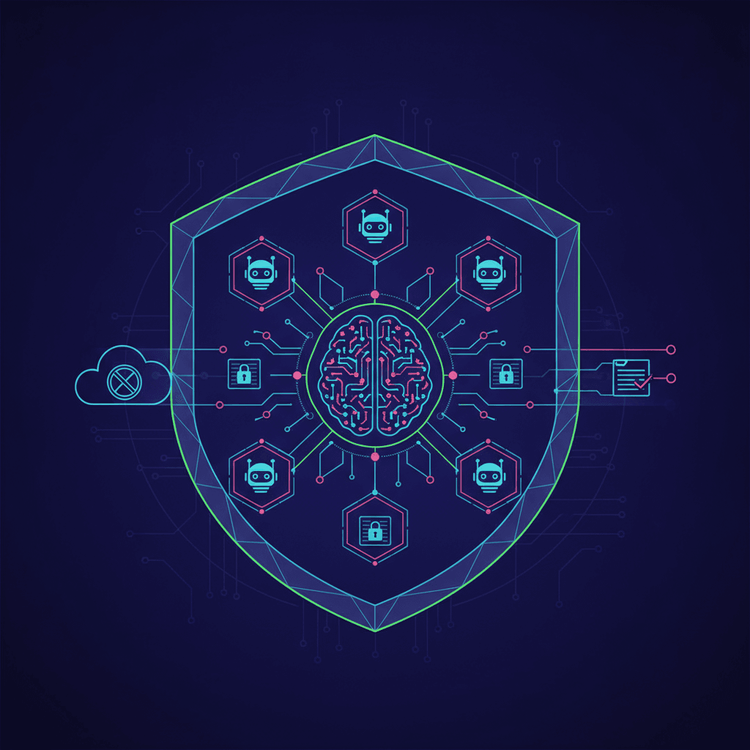
Tools like CodeRabbit, SonarQube AI, and Amazon CodeGuru run security and performance checks on pull requests before a human ever opens the diff. That doesn't replace a reviewer's judgment on design and logic — it just clears the mechanical layer out of the way so their attention goes where it actually matters.CodeRabbit、SonarQube AI 和 Amazon CodeGuru 等工具,在人类审查员打开差异(diff)之前,就会对拉取请求进行安全和性能检查。这并非取代审查员对设计和逻辑的判断——它只是清除了机械层面的障碍,使他们的注意力能够集中在真正重要的地方。
A minimal .coderabbit.yaml might look something like this:一个最小化的 .coderabbit.yaml 文件可能如下所示:
reviews:
  profile: assertive
  auto_review:
    enabled: true
  path_filters:
    - "!**/*.test.ts"
    - "!**/node_modules/**"
  tools:
    eslint:
      enabled: true
On a real pull request, the kind of automated comment that lands before a human reviewer even opens the diff tends to read something like this:在实际的拉取请求中,在人类审查员打开差异之前出现的自动化评论,通常会是这样的:
⚠️ Potential issue: req.query.limit is used directly in a .limit() call without validation. A malicious or malformed value could bypass pagination limits or throw an unhandled exception. Consider parsing and clamping it: Math.min(parseInt(limit, 10) || 20, 100).⚠️ 潜在问题:req.query.limit 直接用于 .limit() 调用,未经验证。恶意或格式错误的值可能绕过分页限制或导致未处理的异常。请考虑解析并限制其值:Math.min(parseInt(limit, 10) || 20, 100)。
That's the mechanical catch — exactly the kind of thing a tired reviewer misses at the end of a long review queue. The actual human judgment call starts after that comment: deciding whether the broader pagination approach is even the right one for this endpoint.这就是机械层面的捕获——正是这种细微之处,会让疲惫的审查员在冗长的审查队列末尾错过。真正的人类判断则始于该评论之后:决定该端点是否适合更广泛的分页方法。
5. CI/CD pipelines that get smarter over time5. 持续学习的持续集成/持续交付(CI/CD)流水线
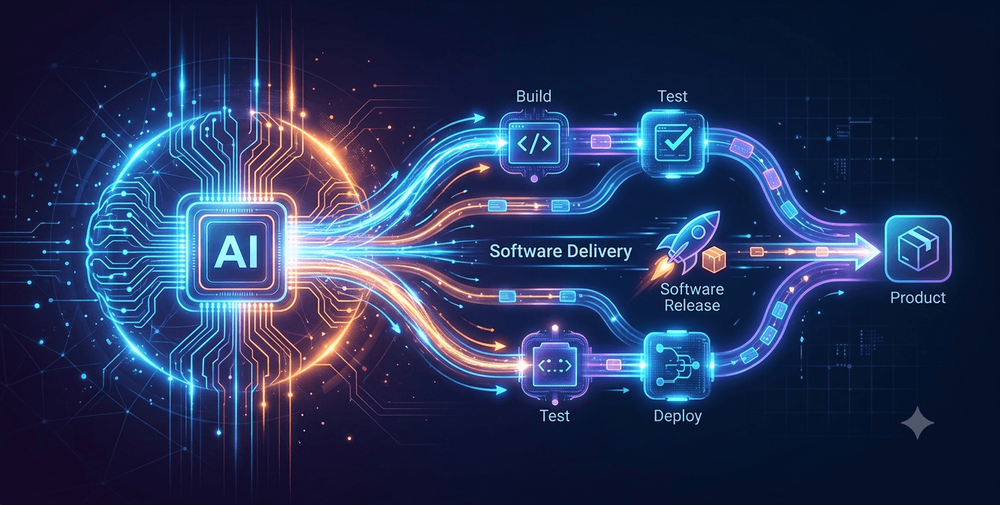
AI-augmented CI/CD tools like Harness and LinearB look at historical pipeline data to flag which changes are statistically likely to break a build, surface high-risk deployments before they hit production, and recommend rollback strategies when something does go sideways.Harness 和 LinearB 等人工智能增强的 CI/CD 工具,会分析历史流水线数据,标记出最有可能导致构建失败的更改,在生产环境上线前预警高风险部署,并在出现问题时推荐回滚策略。
Instead of finding out about a broken release at 6pm on a Friday, teams get a risk signal before the merge even happens. That's the real payoff of putting AI in the pipeline itself rather than treating it as a side tool someone checks occasionally.团队不再会在周五下午六点才发现发布失败,而是在合并(merge)发生前就收到风险信号。这才是将人工智能融入流水线本身的真正价值,而非将其视为偶尔查看的辅助工具。
Where AI tooling can trip you up人工智能工具可能让你陷入困境之处
Every one of these tools has failure modes worth knowing about before you're relying on it in production.在依赖这些工具进行生产之前,了解它们各自的失效模式至关重要。
- AI-generated code hallucinates, and it does it confidently. A generated function can look completely correct and still be wrong in ways that only show up later. Senior review stays non-negotiable here. This is assistance, not autonomy, no matter how good the suggestion looks.人工智能生成的代码会“幻觉”(hallucinate),且表现得十分自信。生成的函数可能看起来完全正确,但实际上却隐藏着只有稍后才会显现的错误。因此,资深审查依然是不可或缺的。这只是辅助,而非自主,无论建议看起来多么完美。
- Data exposure is a real risk, not a hypothetical one. A lot of AI coding tools send code snippets to third-party servers for processing. If you're building anything that touches regulated data — health records, payment information, anything under HIPAA, PCI-DSS, or similar — check exactly what each tool does with submitted code and where it gets processed before letting a team near that codebase with it. Vendor documentation and a signed DPA are what you actually want to verify against, not a marketing page. For teams where that risk is a dealbreaker outright, it's worth knowing fully local AI coding setups exist specifically so proprietary code never leaves the machine in the first place.数据泄露是真实存在的风险,而非假设。许多人工智能编码工具会将代码片段发送到第三方服务器进行处理。如果您正在构建任何涉及受监管数据——如健康记录、支付信息、HIPAA、PCI-DSS 或类似规定下的数据——的系统,请务必在让团队使用该工具处理代码库之前,仔细核查每个工具如何处理提交的代码及其处理地点。您需要核实的是供应商文档和签署的数据处理协议(DPA),而非营销页面。对于将此风险视为绝对不可接受的团队,值得了解的是,完全本地化的人工智能编码设置专门是为了确保专有代码绝不离开本地机器。
- Over-reliance erodes understanding over time. Teams that stop tracing through why their code works, because the AI wrote it and the tests passed, end up accumulating technical debt they eventually can't diagnose on their own. AI should speed up thinking, not replace it.过度依赖会随着时间侵蚀理解力。那些停止追溯代码工作原理的团队,因为代码是由 AI 编写且测试通过的,最终会积累难以自行诊断的技术债务。人工智能应加速思考,而非取代它。
How to start without disrupting your workflow如何在不扰乱工作流程的情况下开始
You don't need to overhaul everything in week one. A focused, measurable rollout will beat a wide, vague one almost every time.您无需在一周内彻底改革一切。一个专注、可衡量的推广计划,几乎总是优于一个广泛而模糊的计划。
- Identify your biggest friction point. QA cycle time, review delays, requirement ambiguity — pick one. That's where AI tooling goes in first.识别您最大的痛点。QA 周期时间、评审延迟、需求模糊——选择一个。人工智能工具将首先应用于此处。
- Run a two-sprint pilot on a single team. Measure something specific before and after — PR review time, bug escape rate, story completion velocity — and actually make those numbers visible to the rest of the org.在一个团队上进行为期两个冲刺的试点。在试点前后测量特定指标——如 PR 评审时间、bug 逃逸率、故事完成速度——并将这些数字实际展示给组织内的其他人。
- Document what worked and what didn't before expanding. AI tooling adopted without any kind of playbook just creates inconsistency across teams. A documented rollout becomes something the next team can reuse instead of a one-person experiment nobody else can repeat. It also helps to know what these tools actually cost at scale before committing real budget to a wider rollout.在扩展到其他团队之前,记录下试点结果以及推广步骤。未经任何指导方针的人工智能工具采用,只会导致团队间的不一致。有文档的推广可以供下一个团队复用,而非一人进行的、他人无法复制的实验。在承诺实际预算进行更广泛推广之前,了解这些工具的规模化成本也很有帮助。
Most teams chasing a delivery-speed problem don't actually have a talent problem — they have a process problem, and AI tooling applied at the right points addresses that directly. The teams shipping faster aren't always the ones with more engineers. They're usually the ones that stopped treating AI as a future initiative and started treating it as part of the current workflow.大多数追求交付速度问题的团队,实际上并非缺乏人才——而是流程存在问题,而人工智能工具在正确的位置应用,可以直接解决这一问题。那些交付速度更快的团队,并非总是拥有更多工程师的团队。他们通常是那些不再将人工智能视为未来计划,而是将其视为当前工作流程一部分的团队。
Debugging gets faster too调试也变得更快
Writing the code is only half the job. Figuring out why it broke usually takes longer than building the feature did in the first place — pulling logs, tracing requests across services, checking what shipped in the last deploy, cross-referencing dashboards that don't talk to each other. Anyone who's been paged at midnight for a production incident knows the feeling of five browser tabs open and still not knowing where to start.编写代码只是工作的一半。弄清楚它为何出错,通常比最初构建功能花费的时间更长——需要拉取日志、跟踪服务间的请求、检查上次部署的内容、交叉引用不互通的仪表板。任何在午夜因生产事件被叫醒的人,都体会过打开五个浏览器标签页却仍不知从何下手的感觉。
AI-assisted observability tools now cluster related log events, correlate an incident with a recent deployment, and surface a likely root cause in minutes instead of hours. They don't replace a developer's judgment on the actual fix — they narrow the search radius, so less time goes into finding the problem and more goes into solving it. For teams shipping custom software under client deadlines, that translates pretty directly into fewer production fire drills and faster turnaround on the next release.人工智能辅助的可观测性(observability)工具现在可以将相关的日志事件聚类,将事件与最近的部署关联起来,并在几分钟内而不是几小时内找出可能的原因。它们并不能取代开发人员对实际修复的判断——它们缩小了搜索范围,从而减少了查找问题的时间,将更多时间用于解决问题。对于在客户截止日期前交付定制软件的团队来说,这直接转化为更少的生产火灾演习和更快的下一轮发布。
Documentation that keeps pace跟上步伐的文档
Documentation is usually the first thing to slip when a team gets busy. API notes go stale. Architecture diagrams stop matching what's actually running in production. Onboarding a new developer takes longer than it should, because half of what they need to know lives in someone's head instead of in the docs.当团队变得忙碌时,文档通常是第一个被忽略的。API 说明过时。架构图不再与生产环境中实际运行的系统匹配。新开发人员的入职时间过长,因为他们所需知识的一半存在于某人的脑海中,而非文档中。
AI tooling is starting to close that gap — generating API documentation straight from code, summarizing what changed in a given release, flagging when the docs have drifted from the codebase they're supposed to describe.人工智能工具正开始弥合这一差距——直接从代码生成 API 文档,总结给定版本中的变更,并在文档与它们本应描述的代码库出现偏差时发出警报。
But honestly, the deeper issue most teams have isn't really a documentation problem. It's a scattered information problem. Developers dig through old Slack threads to find an answer. QA works off last quarter's spec because nobody updated it. DevOps guesses. Product fills in gaps from memory. Everyone's busy, but nobody's actually working from the same source of truth.但说实话,大多数团队更深层的问题并非真正的文档问题。而是信息分散的问题。开发人员翻阅旧的 Slack 线程来寻找答案。QA 工作基于上个季度的规范,因为没有人更新它。DevOps 凭猜测。产品根据记忆填补空白。每个人都很忙,但没有人真正基于同一份事实来源工作。
When documentation is centralized and genuinely kept current, that changes — not because it's a nice-to-have, but because shipping on time requires everyone on the team, regardless of role, to trust the information sitting in front of them. One source. No guessing.当文档集中化并真正保持最新时,情况就会改变——不是因为它是一个“锦上添花”的功能,而是因为按时交付要求团队中的每个人,无论其角色如何,都能信任摆在他们面前的信息。一个来源。无需猜测。
Implementation checklist实施清单
- Identify the single biggest friction point in your current delivery cycle识别当前交付周期中最大的痛点
- Pick one AI tool category to pilot against it — code gen, testing, review, CI/CD, or debugging选择一种人工智能工具类别进行试点——代码生成、测试、审查、CI/CD 或调试
- Run a two-sprint pilot on one team with a defined before/after metric在一个团队上进行为期两个冲刺的试点,并设定明确的“之前/之后”指标
- Verify each tool's data-handling policy before using it on any regulated codebase在使用任何工具处理受监管的代码库之前,验证每个工具的数据处理策略
- Keep senior review mandatory on all AI-generated code and tests对所有人工智能生成的代码和测试,始终强制要求资深审查
- Document the pilot results and rollout steps before expanding to other teams在扩展到其他团队之前,记录试点结果和推广步骤
- Revisit the rollout quarterly — expand to more teams, drop what isn't working, update the playbook as trust in the tooling grows每季度重新审视推广计划——扩展到更多团队,放弃无效的工具,随着对工具信任度的增长而更新操作手册
Closing thought结束语
Adopting AI tools is the easy part, honestly. Integrating them into an engineering practice without quietly degrading code quality, security, or maintainability — that's where real experience actually matters. Not every part of a software project carries equal risk. Planning assumptions fall apart. Test coverage has blind spots. Deployments surface issues nobody saw coming. Knowing where AI tooling actually moves the needle, instead of where it just sounds good in a pitch deck, is what separates teams that deliver consistently from teams that scramble every single sprint just to catch up.说实话,采用人工智能工具是容易的部分。将其融入工程实践而不悄然降低代码质量、安全性或可维护性——这才是真正经验所在。软件项目的每个部分并非都承载着相等的风险。计划假设会破灭。测试覆盖率存在盲点。部署会暴露无人预料到的问题。了解人工智能工具真正能带来成效的地方,而不是仅仅听起来像个好主意的推销话术,这才是区分那些持续交付的团队与那些每个冲刺都在拼命追赶的团队的关键。