

41% of world's 100-year companies and 65% of 200-year companies are Japanese. Kongo Gumi (founded 578 AD)'s 4 secrets of 1447-year survival and 5 lessons for modern firms.
Read this article to earn +5 MTC
Japan Has 41% of the World's 100-Year Companies — Secrets of Eternal Business from 1400-Year-Old Kongo Gumi日本拥有全球百年企业的41%——来自拥有1400年历史的金刚组的永恒经营秘诀
The Shock: Over 40% of Century-Old Companies Are Japanese令人震惊:百年企业中超过40%是日本的
Of the world's roughly 74,000 companies older than 100 years, about 33,000 are Japanese — 41.3% of the world total.在全球约74,000家拥有百年历史的企业中,约有33,000家是日本的,占全球总数的41.3%。
Of 1,322 companies older than 200 years, 65% are Japanese. Of 60 companies older than 500 years, 39 are Japanese.在1,322家拥有200年以上历史的企业中,65%是日本的。在60家拥有500年以上历史的企业中,有39家是日本的。
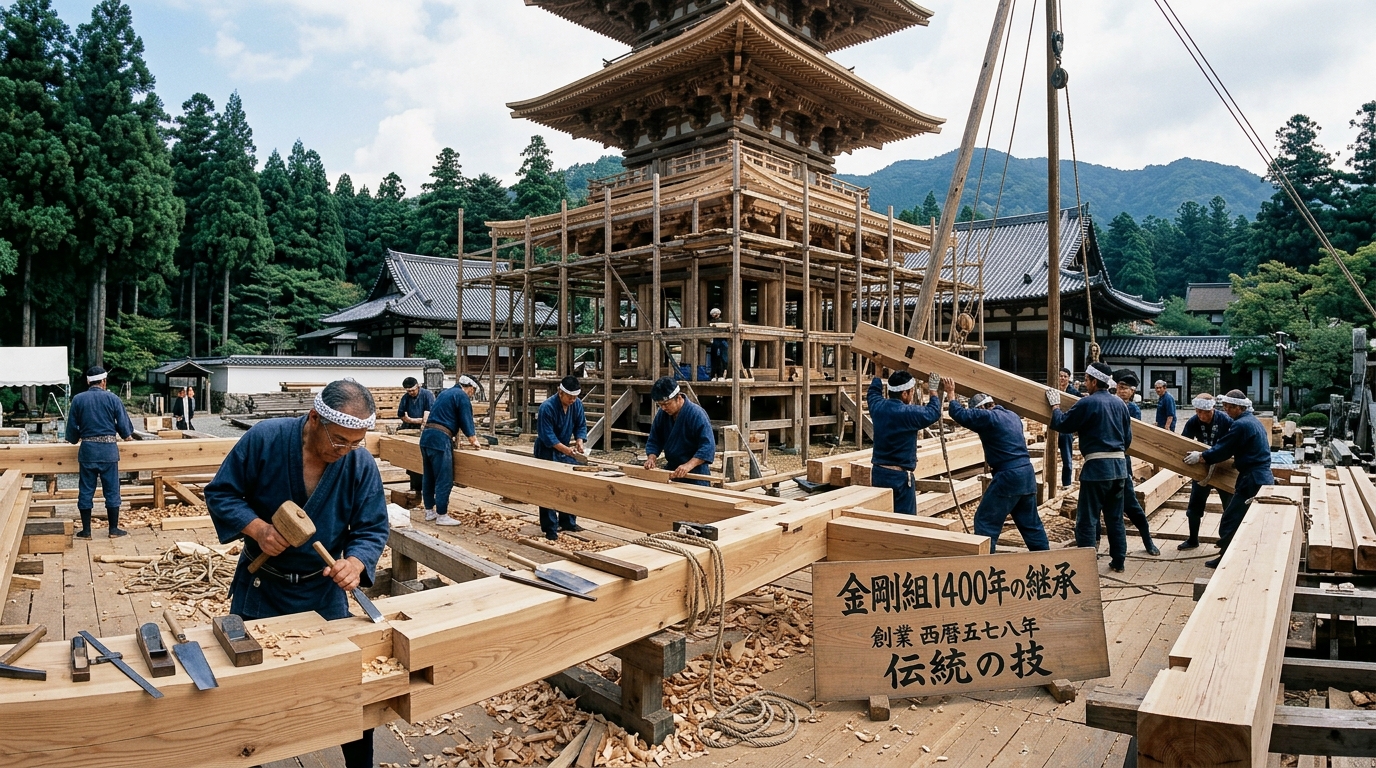
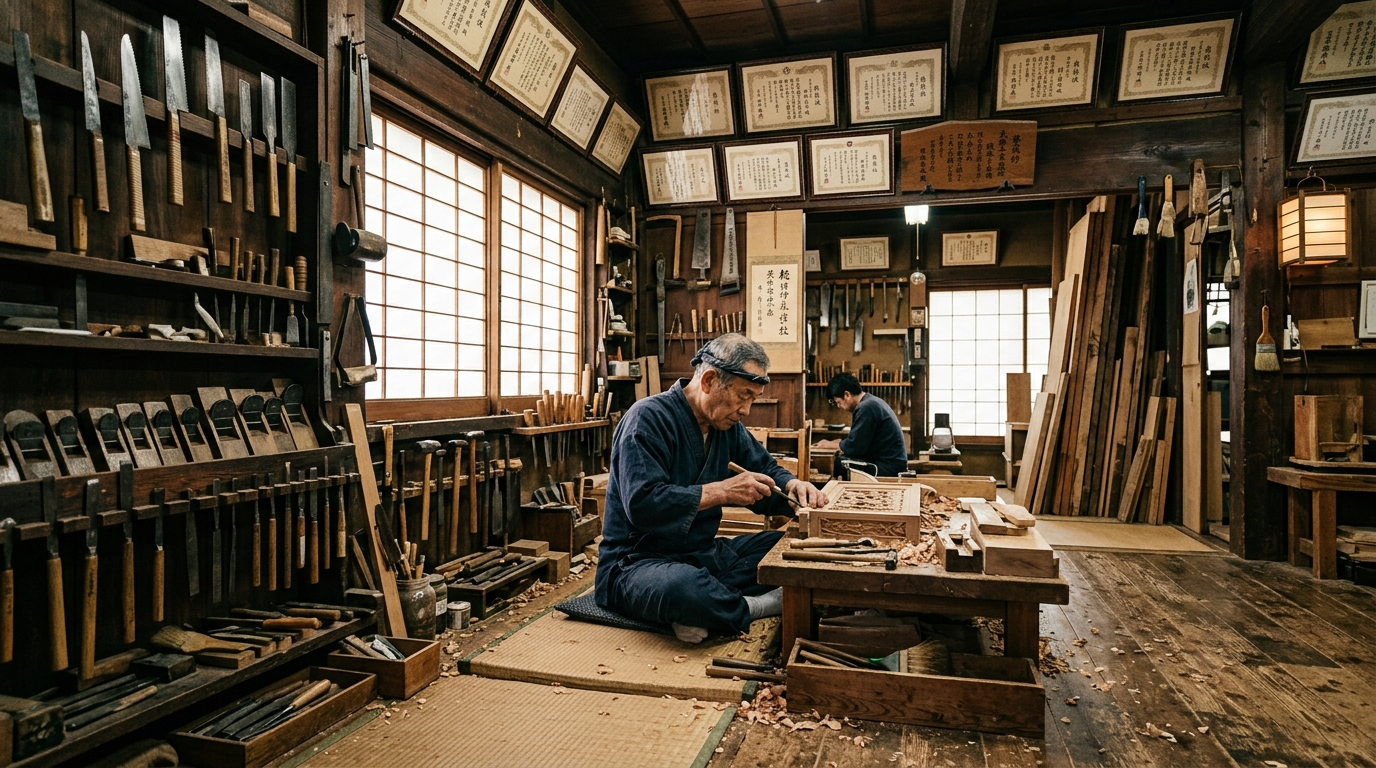
The pinnacle: Kongo Gumi. Founded 578 AD by Korean carpenters invited by Prince Shotoku to build Buddhist temples. 1,447 consecutive years of operation — the world's oldest continuously operating company.巅峰之作:金刚组。由朝鲜木匠于公元578年创立,应圣德太子邀请建造佛教寺庙。连续经营1447年——世界上最古老的持续经营公司。
Why Japan Has So Many "Eternal Companies" — 5 Structural Reasons日本为何拥有如此多的“永恒企业”——五大结构性原因
1. The Concept of "Family Business"1. “家族企业”的概念
In Japan, a company is not "personal property" but "family heritage." A responsibility entrusted by ancestors to pass to descendants. Long-term continuity prioritized over short-term profit.在日本,企业不是“个人财产”,而是“家族传承”。是祖先托付给后代的责任。优先考虑长期延续而非短期利润。
2. "Right-Sized" Management2. “量力而行”的管理
"Manage to your true size." Don't go into debt for rapid expansion; focus on core business; persist steadily. Even in the bubble era, shinise (long-established companies) avoided speculation and persisted with the basics.“量力而行”。不为快速扩张而负债;专注于核心业务;稳步坚持。即使在泡沫时代,老字号企业(shinise)也避免投机,坚持基本原则。
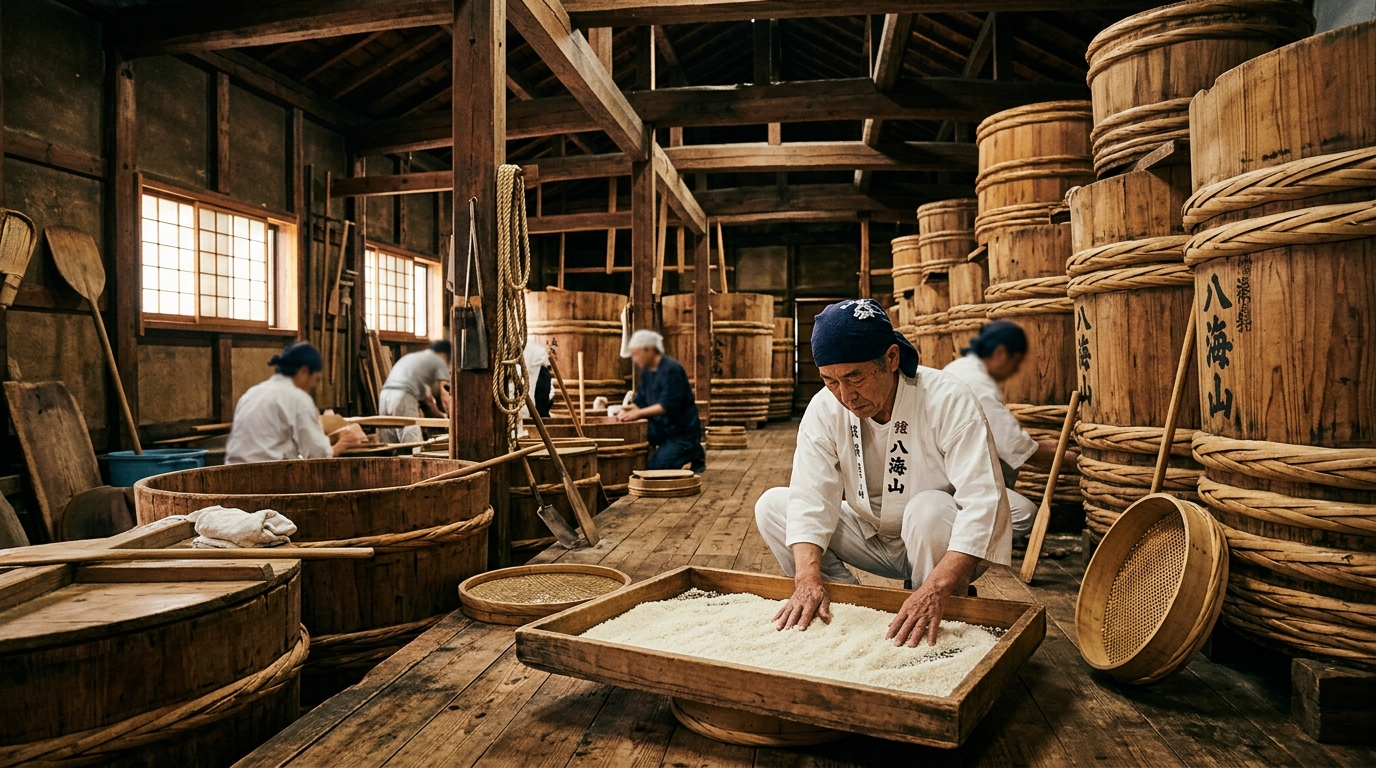
3. Spirit of Protecting "Noren"3. 守护“暖帘”的精神
Noren (brand) = trust accumulated over generations. Lose it once, and it's irrecoverable. So reputation > profit. Long-term trust > short-term gains.暖帘(品牌)=世代积累的信任。一旦失去,就无法挽回。因此声誉>利润。长期信任>短期收益。
4. Adoptive Succession4. 养子继承
If the actual son lacks management capability, talented apprentices or senior managers are "adopted" to succeed. Capability > bloodline. One of the secrets to centuries of family business survival.如果亲生儿子缺乏管理能力,就会“收养”有能力的学徒或高级经理来继承。能力>血统。这是家族企业数百年生存的秘诀之一。
5. Sanpo Yoshi (Three-Way Good)5. 三方よし(三方皆好)
"Good for seller, good for buyer, good for society." A 400-year-old Omi merchant philosophy. Builds harmony beyond zero-sum competition. The original ESG management philosophy.“对卖方好,对买方好,对社会好。”这是近江商人400年前的经营理念。建立超越零和竞争的和谐。最初的ESG管理理念。
Kongo Gumi's 4 Secrets of 1400-Year Continuity金刚组1400年传承的四大秘诀
Secret 1: Brilliant Distinction Between "Don't Change" and "Change"秘诀一:巧妙区分“不变”与“变”
What Kongo Gumi didn't change for 1400 years: Buddhist architecture techniques, apprentice system, the spirit of "serving customers."金刚组1400年未变的是:佛教建筑技术、学徒制度、“服务客户”的精神。
What it changed: tools (manual to electric), drawings (hand to CAD), financial management. Methods change; essence doesn't.改变的是:工具(手动到电动)、图纸(手绘到CAD)、财务管理。方法在变;本质不变。
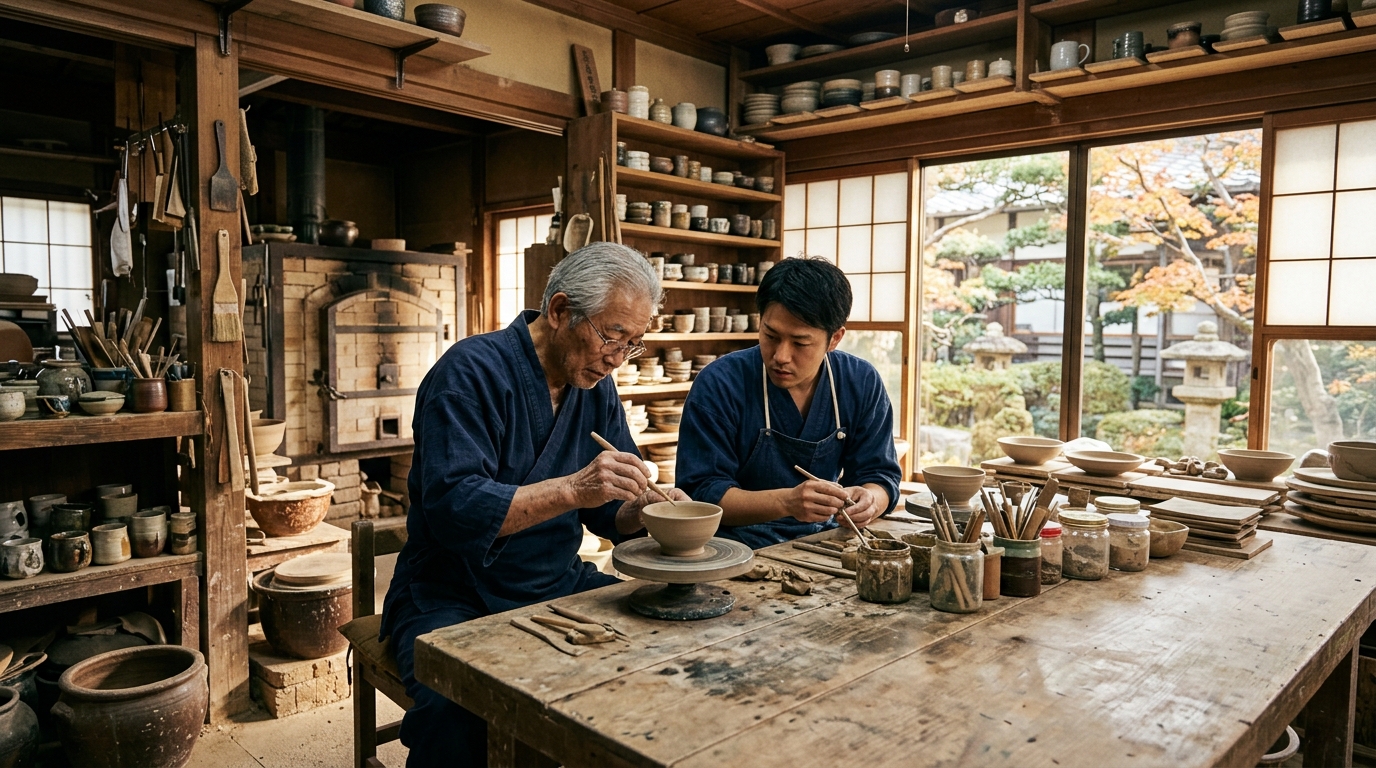
Secret 2: Returns to "Original Intent" at Every Crisis秘诀二:每次危机都回归“初心”
In 1400 years of history, dozens of near-collapses. Meiji-era anti-Buddhist movement, Showa depression, modern bubble burst. Each time, asked "what do we exist for?" and returned to core business.1400年的历史中,经历过数十次濒临倒闭。明治时期的反佛教运动、昭和大萧条、现代泡沫破裂。每一次,都问“我们存在的意义是什么?”,并回归核心业务。
Secret 3: "Industry Mindset"秘诀三:“行业思维”
Invests not just in own company but in entire temple-carpentry industry. Publishes technical books, trains young craftsmen, even teaches competitors. If the industry dies, our company dies too.不仅投资于自身企业,也投资于整个寺庙木工行业。出版技术书籍,培养年轻工匠,甚至教授竞争对手。如果行业消亡,我们的公司也会消亡。
Secret 4: Avoiding the "Flashy"秘诀四:避免“张扬”
Across all CEOs in 1400 years, almost none appeared in media. Office building modest. CEO salary extremely restrained. Being inconspicuous is the secret to enduring.1400年来所有CEO中,几乎没有人出现在媒体上。办公楼朴素。CEO薪酬极其克制。保持低调是长久生存的秘诀。
5 Lessons Modern Companies Can Learn from Shinise现代企业可从老字号企业(shinise)学到的五点经验
Lesson 1: Abandon Short-Termism经验一:摒弃短期主义
Shift from "win the quarterly report" to "build a company lasting 100 years." Time on long-term investment, talent development, brand building.从“赢得季度财报”转向“打造百年企业”。投入时间进行长期投资、人才培养、品牌建设。
Lesson 2: Polish Your Core经验二:打磨核心业务
Don't chase unrelated diversification; polish core business for 100 years. Modern "shinise" — Fast Retailing (Uniqlo), Toyota, Keyence, Shin-Etsu Chemical — all obsessively focused on core.不要追求不相关的多元化;打磨核心业务百年。现代“老字号”——迅销(优衣库)、丰田、基恩士、信越化学——都极度专注于核心业务。
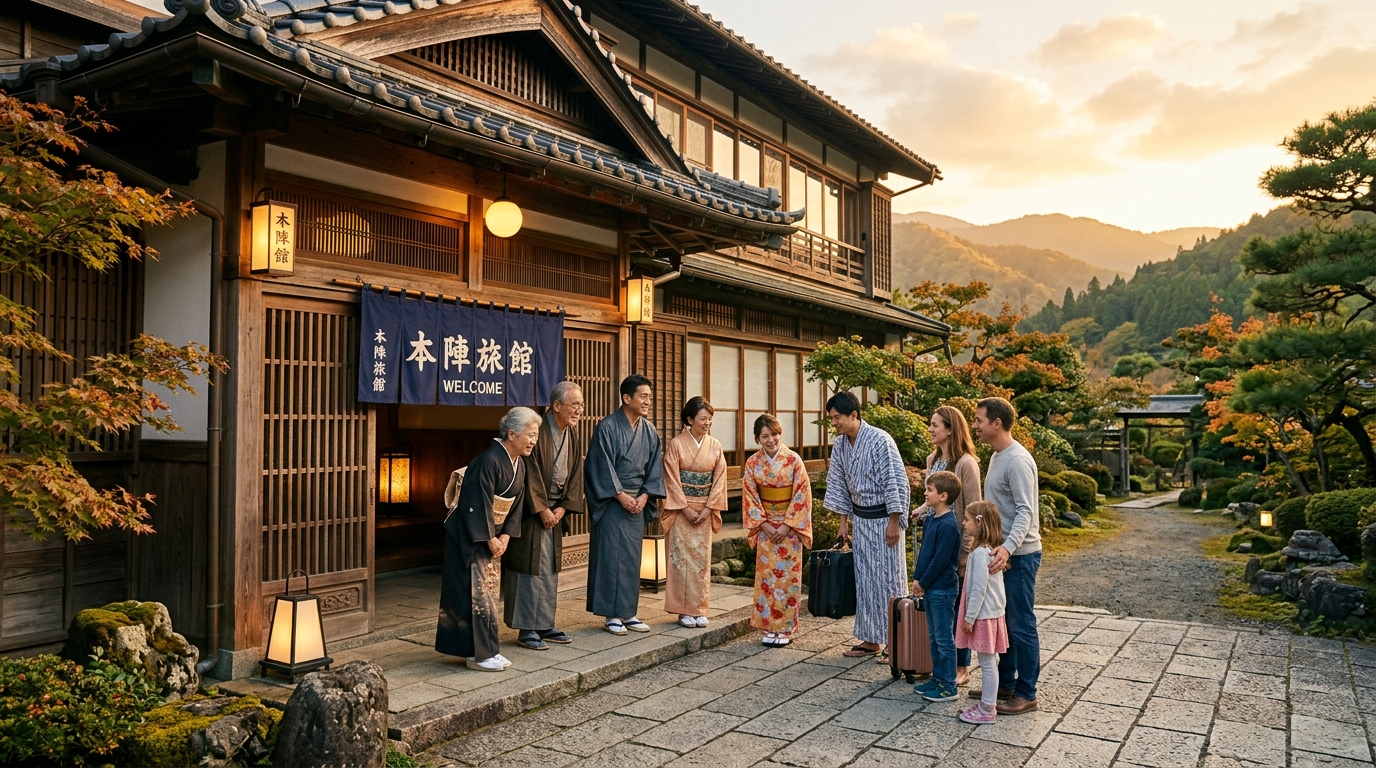
Lesson 3: Trust Above All经验三:信任至上
Customer trust > short-term sales. Trust once lost can't be regained even with 10 years of profits.客户信任>短期销售。失去的信任即使十年盈利也无法挽回。
Lesson 4: Invest in Successor Development经验四:投资于继承人培养
Plan succession 5-10 years before top transition. Meritocratic, not bloodline-fixated.在最高层交接前5-10年规划继承。任人唯贤,而非固守血统。
Lesson 5: Think About "Industry Prosperity"经验五:思考“行业繁荣”
Don't try to win alone — develop the whole industry. Paradoxically, this guarantees your long-term prosperity.不要试图独自获胜——发展整个行业。悖论是,这反而能保证你的长期繁荣。
Closing — The Resolve to "Build a Company Lasting 100 Years"结语——“打造百年企业”的决心
Startup "unicorns" disappear in a few years. Japanese shinise sustain livelihoods, preserve culture, nurture regions across generations.初创公司的“独角兽”几年内就消失了。日本老字号企业世代传承,维持生计,保护文化,培育地区。
Now in the AI era — an age of accelerating change — the old wisdom of "build to endure" matters more than ever.如今身处人工智能时代——一个变革加速的时代——“打造长久企业”的古老智慧比以往任何时候都更加重要。
Your company, or your own career — how do you want it to remain in 100 years? Kongo Gumi's philosophy provides the best clue to that question.你的公司,或者你自己的职业生涯——你希望它在100年后是什么样子?金刚组的理念为这个问题提供了最佳线索。